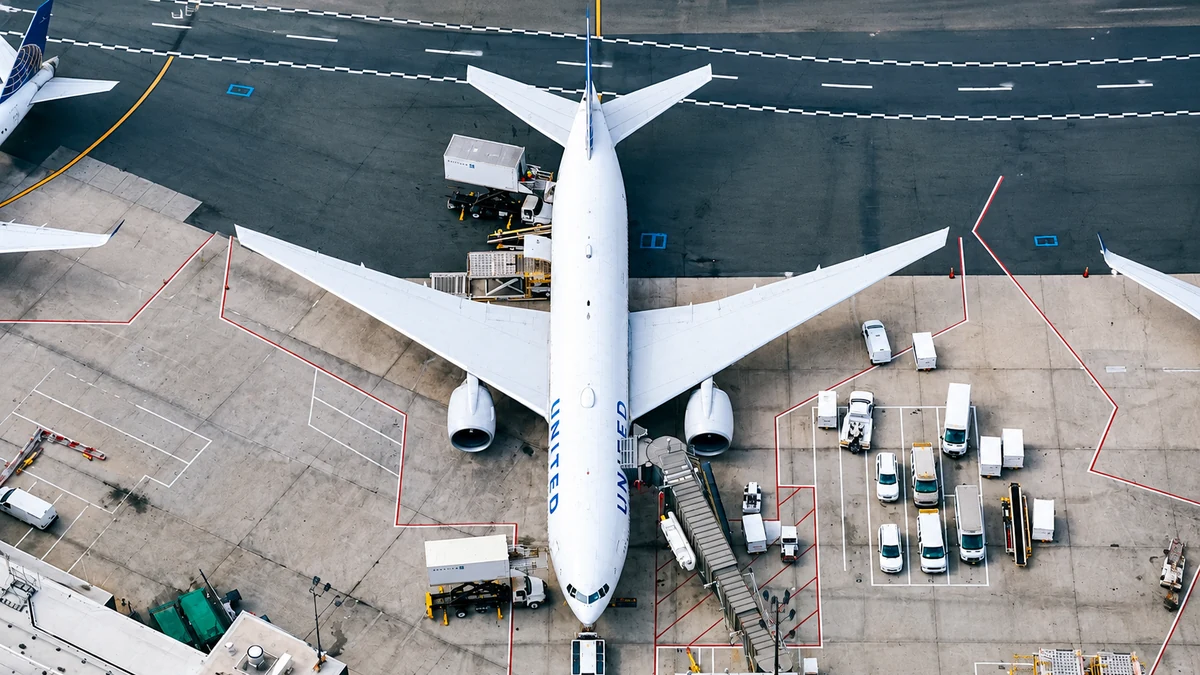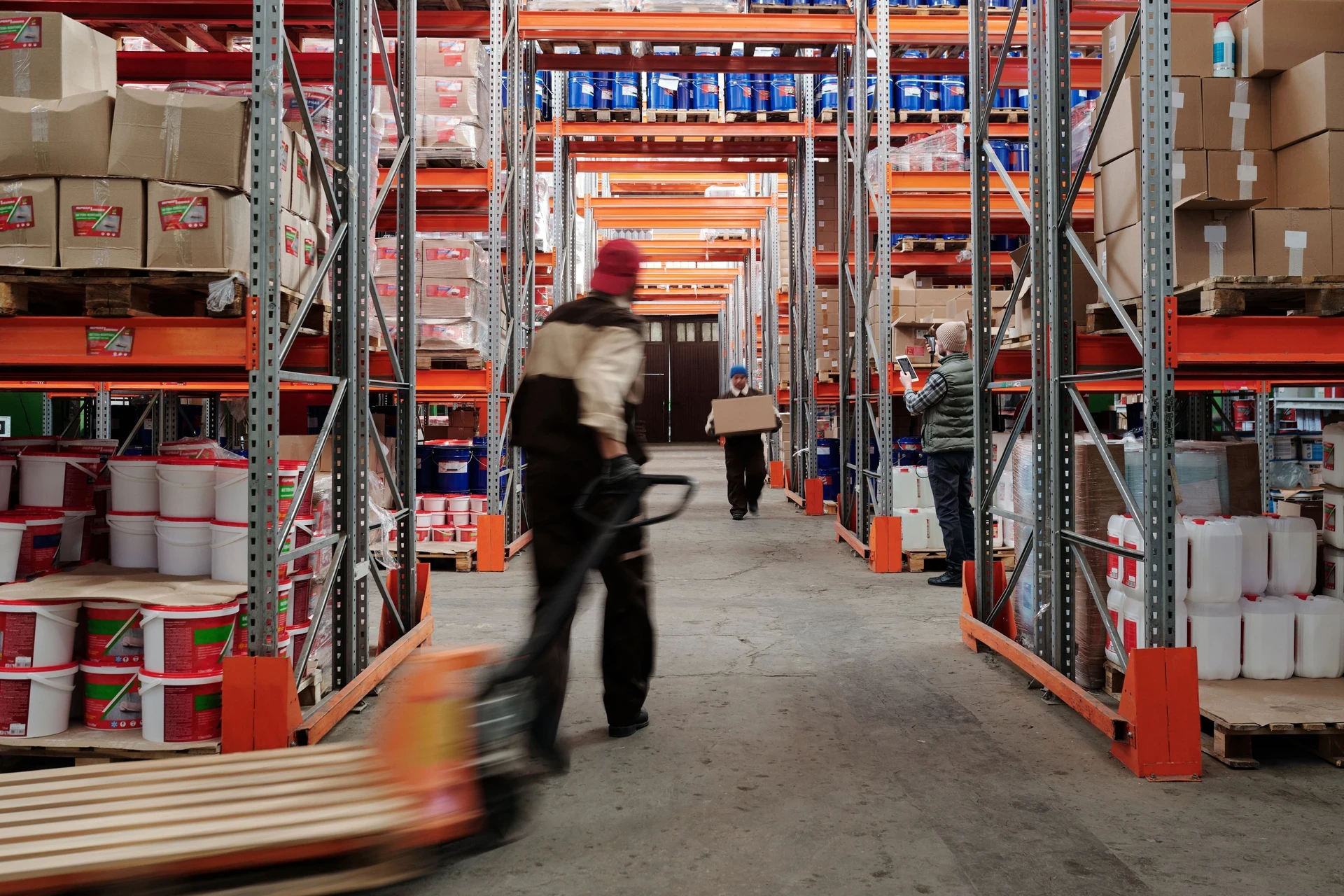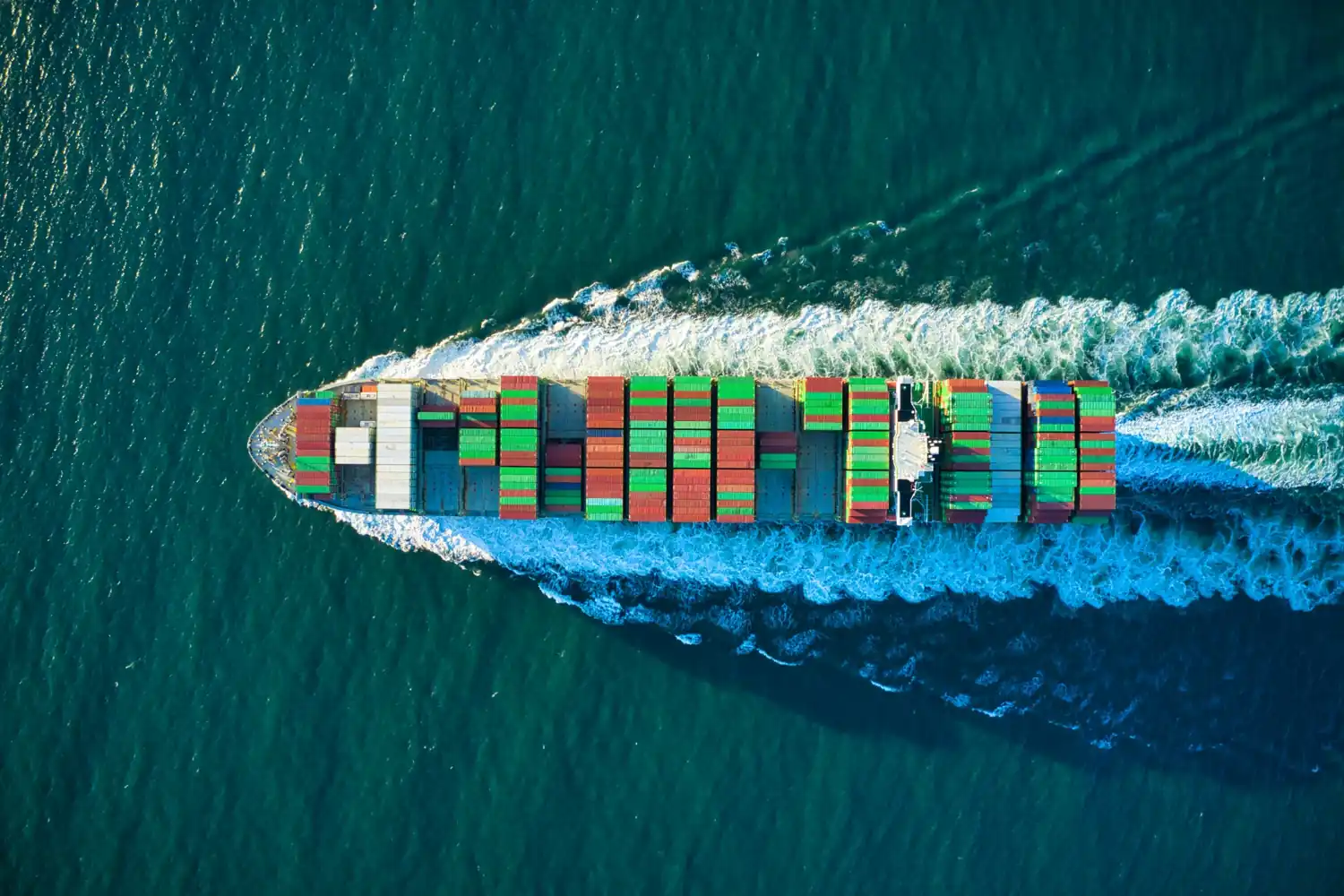
A single shipment traveling from a factory in Shenzhen to a warehouse in Rotterdam may pass through a transport company, a port terminal, a shipping line, a customs broker, another transport company, and a last-mile delivery service – each with its own booking system and its own point of contact. Coordinating all of this directly would cost a company more time than the goods are worth. This is exactly the problem that freight forwarding solves.
Understanding what a freight forwarder actually does and where their added value lies determines whether a supply chain runs unnoticed in the background or constantly demands attention.
Freight Forwarding: A Definition
A freight forwarder organizes the transport of goods on behalf of a shipper without owning the ships, airplanes, or trucks that carry the cargo. The standard industry comparison is with a travel agency: a freight forwarder does not fly the plane and does not steer the ship, but they book the cargo space, organize the connections, and take responsibility for the shipment as a single, coordinated transport route.
This distinguishes them from the carrier, who physically transports the goods but usually only covers one leg and rarely handles customs clearance or door-to-door coordination. It is also worth distinguishing them from a customs broker: the latter specializes in customs clearance, while the freight forwarder manages the entire chain and often involves a customs broker to do so.
How Freight Forwarding Works
The details vary from shipment to shipment, but the process follows a consistent pattern. It begins with booking and planning: the shipper provides the shipment details (type, weight, dimensions, origin, destination, and any special handling requirements), and the freight forwarder determines the appropriate mode of transport and secures the cargo space at an agreed rate. Next is the pre-carriage stage: the goods are collected and taken – usually by truck or rail – to the forwarder's facility or to the port or airport of departure. There, they are checked against the packing list, inspected, and consolidated if they are being grouped with other shippers' cargo for efficient container utilization.
Prior to departure, the goods are cleared for export; the declaration is handled by the freight forwarder, often in cooperation with a customs broker. The cargo is then weighed and loaded for the main carriage – into containers for ocean freight, or onto Unit Load Devices (ULDs) for air freight. This is followed by the international main carriage: the sea voyage, flight, or cross-border road transit. The freight forwarder tracks the shipment and serves as the primary point of contact for any incidents.
Upon arrival, the goods are cleared for import according to the destination country's regulations; duties and taxes must be paid before release. After that, the shipment is picked up and delivered to its final destination – an on-carriage phase that the forwarder usually helps organize for companies without their own domestic transport capabilities.
The Main Services of a Freight Forwarder
Beyond basic transportation, most freight forwarders bundle additional services:
Cargo space booking and rate negotiation – by consolidating volumes, they can achieve better rates than an individual shipper would receive.
Documentation: creation of invoices, packing lists, bills of lading, certificates of origin, and customs declarations; a single mistake can delay a shipment for days.
Customs clearance, either directly or through a partner customs broker.
Consolidation (LCL/groupage): bundling smaller shipments to lower unit costs.
Cargo insurance against loss, damage, or theft, calculated as a percentage of the goods' value.
Warehousing and distribution, including short-term storage and last-mile delivery.
Online shipment tracking instead of occasional status updates via phone or email.
Comparing Air Freight, Ocean Freight, and Road Transport
The choice of transport mode is usually the single largest factor influencing costs and transit times.
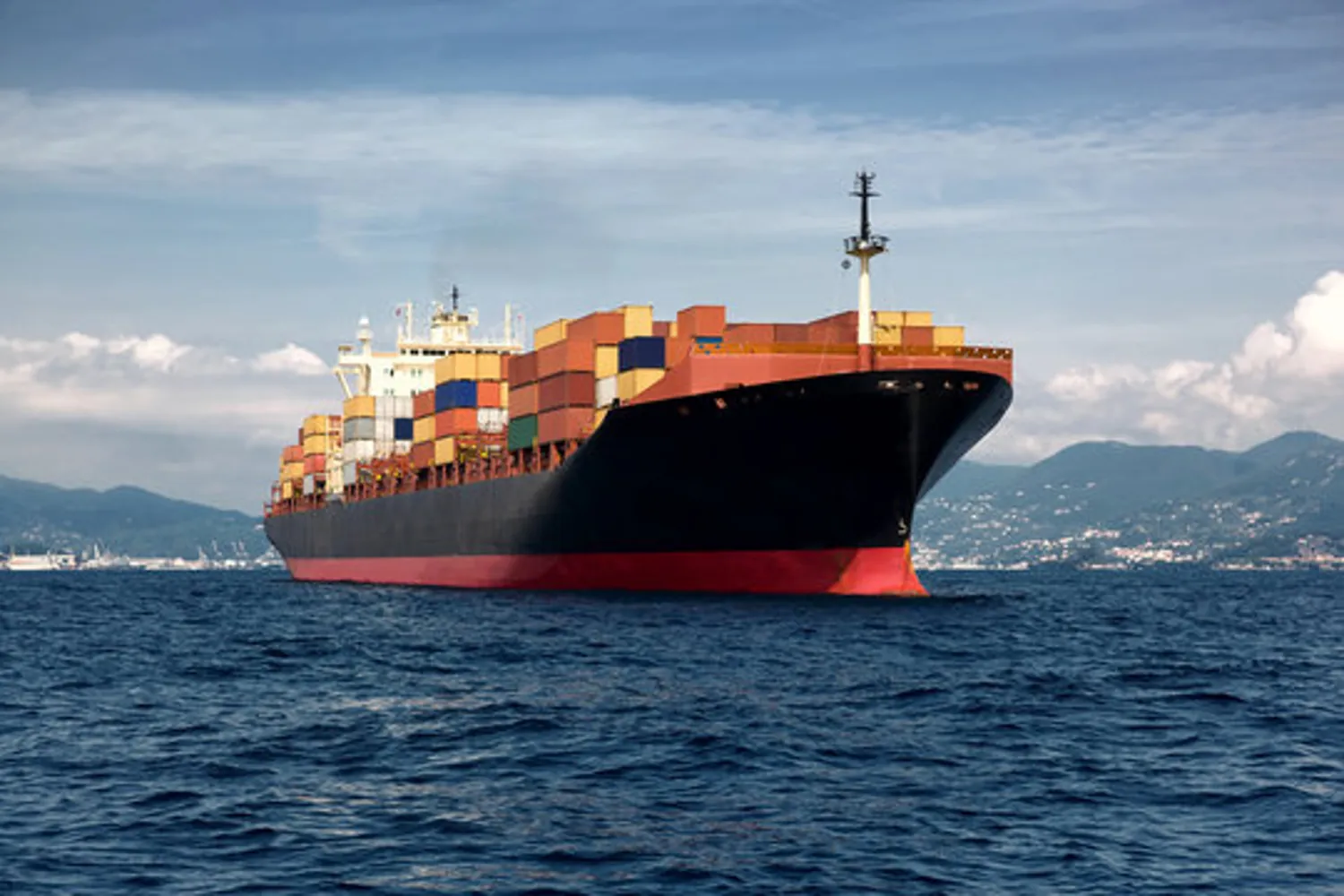
Ocean freight handles the vast majority of global trade by volume and is the most economical option for anything bulky, heavy, or not urgent. A Full Container Load (FCL) or Less than Container Load (LCL) shipment from Asia to Europe typically takes several weeks door-to-door, at a cost per kilogram that is a fraction of air freight. However, port congestion and schedule changes can extend transit times beyond the original estimate.
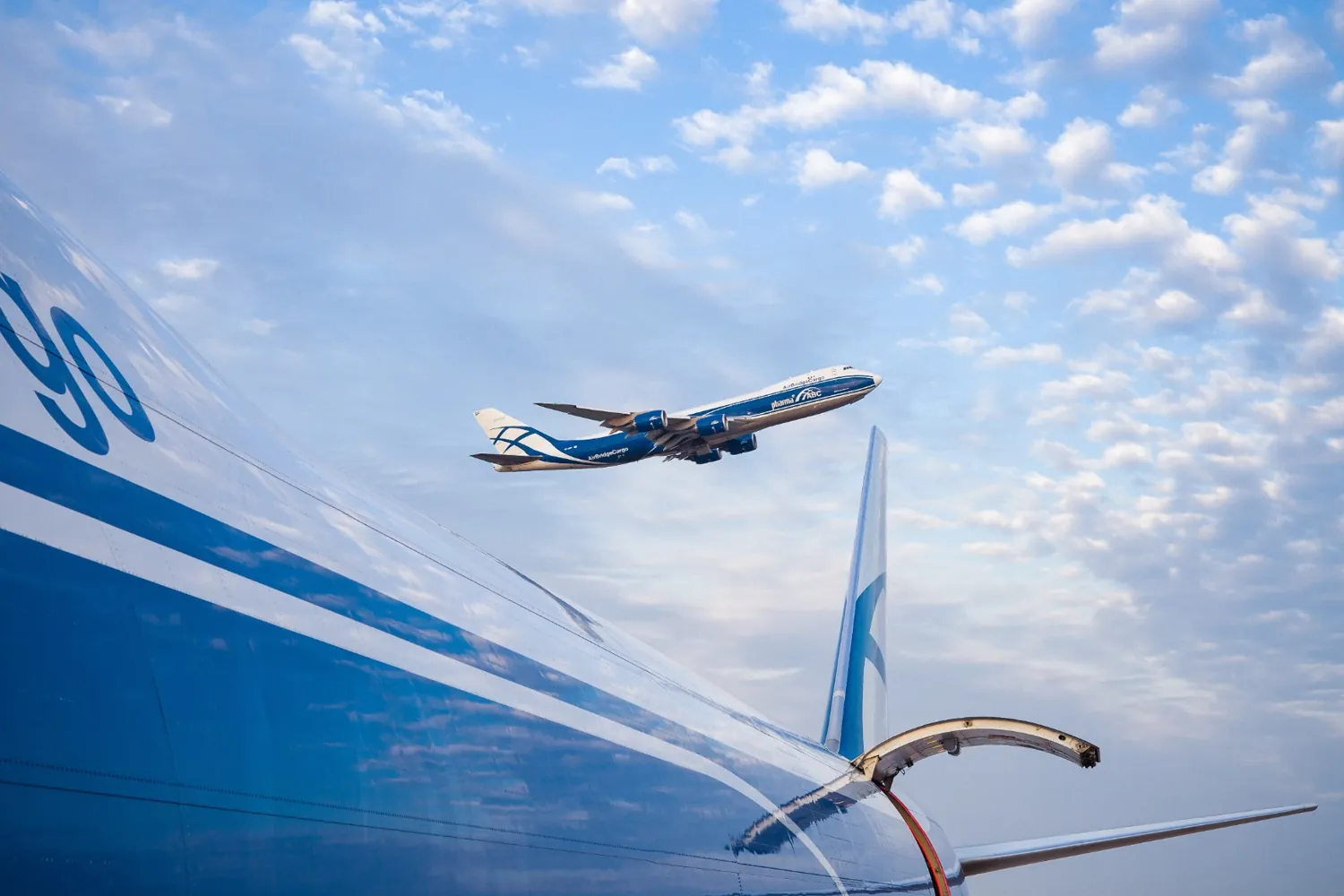
Air freight is about ten to fifteen times more expensive per kilogram, but delivers in days instead of weeks. It is suitable for goods where the cost of delay exceeds the price premium: perishables, high-value electronics, or urgently needed spare parts.
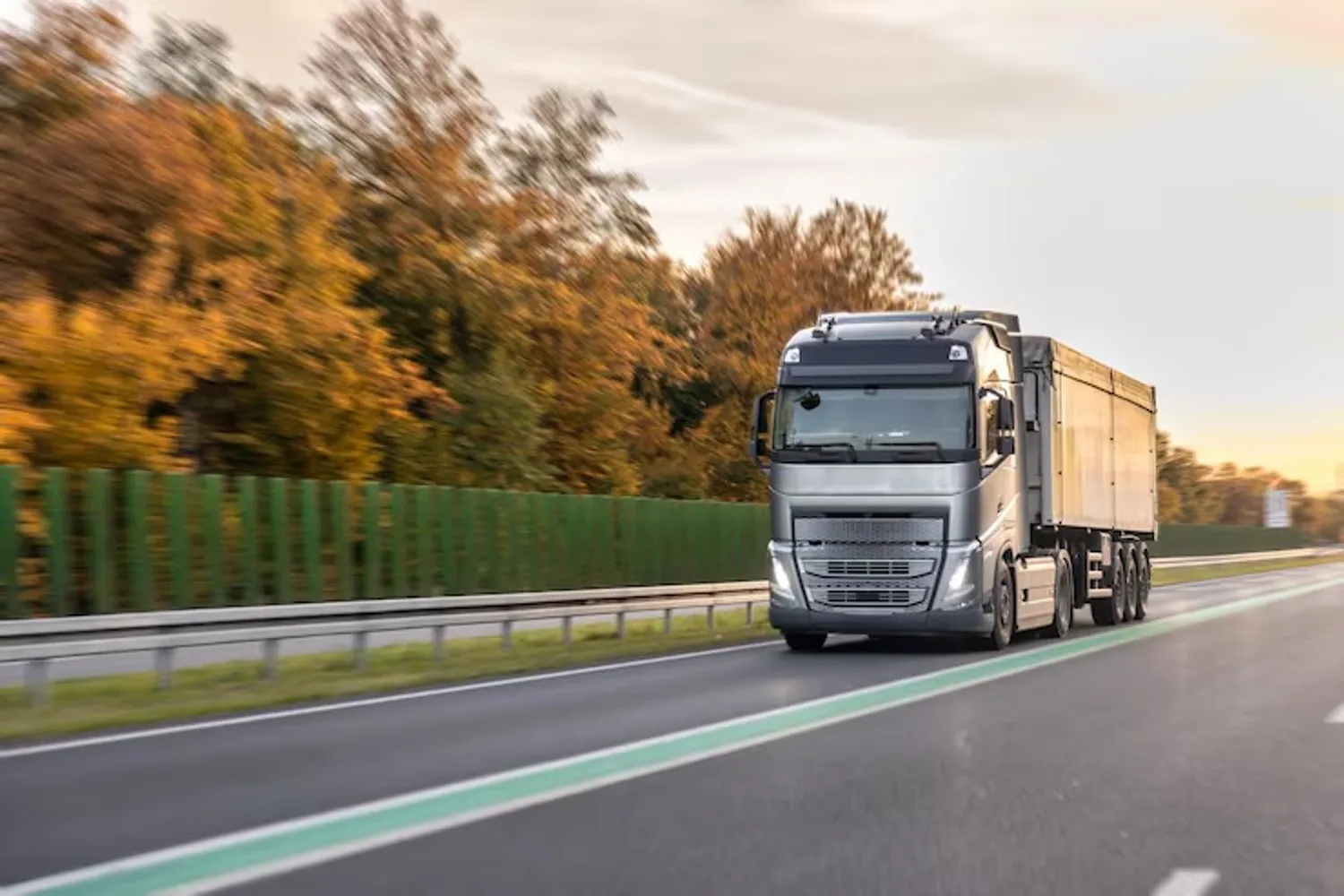
Road transport is the standard solution for shorter distances and domestic transport, including the pre-carriage and on-carriage legs of shipments primarily transported by sea or air. In a market like intra-European trade, it can be the primary mode of transport, offering door-to-door delivery at costs between the other two options. Many shipments combine multiple modes: in popular sea-air transport, goods travel by ship to a transit hub and from there by plane to the destination – preserving some of the cost benefit of ocean freight while shortening transit times.
When Do You Need a Freight Forwarder?
Nothing stops a business from booking cargo space and filing customs paperwork themselves – but in most relevant scenarios, a freight forwarder pays off. Companies shipping internationally for the first time benefit the most, as paperwork and customs procedures are not self-explanatory, and a single mistake can block a shipment for weeks. Shippers with smaller volumes benefit from consolidation, while regular shippers benefit from negotiated rates and the forwarder's ability to handle tracking and disruptions across all shipments.
The clearest case for in-house handling is a genuinely simple, rare, purely domestic shipping pattern using a single mode of transport, where the coordination effort would outweigh the benefit. For cross-border shipping, however, the math usually tips long before volumes get large.
How to Find the Right Freight Forwarder
Selection criteria depend in part on the shipment itself. Look for network and route experience: a freight forwarder established on your specific lane will typically outperform a generalist. Check their coverage of transport modes and services – air, ocean (FCL and LCL), road, rail, or multimodal – as well as whether customs clearance and warehousing are handled in-house or outsourced. Demand price transparency: an itemized quote that separately details the base freight rate, markup, customs fees, and surcharges.
Communication track record also matters: what truly distinguishes freight forwarders is how quickly and clearly they keep you informed when things go wrong. Goods with special requirements – temperature control, hazardous materials, or oversized cargo – require a forwarder with proven experience in that category. It is advisable to obtain quotes from at least three forwarders for the same shipment specifications.
How Much Does Freight Forwarding Cost?
A freight forwarding invoice consists of several components that should be separated when comparing quotes. The largest share is usually the freight rate of the carrier itself: the forwarder books and pays this on behalf of the shipper and bills it with a markup, typically between 5 and 15%. Added to this is the forwarder's own service fee for documentation and coordination, usually 50 to 200 euros per shipment, which increases with complexity; if the forwarder also handles customs clearance, this is generally billed separately.
Then come the surcharges: fuel surcharges, peak season surcharges, terminal handling charges (THC), and fees for special services like liftgate delivery. These can add a noticeable percentage to the base costs and often surprise shippers because they are not always clearly detailed in the initial quote.
Finally, there are costs that only occur during disruptions – primarily demurrage and detention: fees charged when a container is not returned within the free time. These can be largely avoided with correct paperwork and prompt pickup, making them the cost category that the shipper can control the most. The most reliable method of comparison is a fully itemized quote, checked across at least two to three providers.
How We Handle Freight Forwarding for You
We manage the entire transport route described above as a single, responsible service: cargo space booking, documentation, customs coordination on both sides, and final delivery – with one point of contact instead of a separate phone call for each leg. Our quotes are itemized, so you can see exactly what you are paying for the freight rate, our service fee, and any surcharges before booking.
Whether you are shipping a single container, consolidating smaller volumes, or coordinating a regular multimodal route – our job is to take the coordination effort off your shoulders. Contact us, and we will provide you with a complete breakdown for your route and cargo.