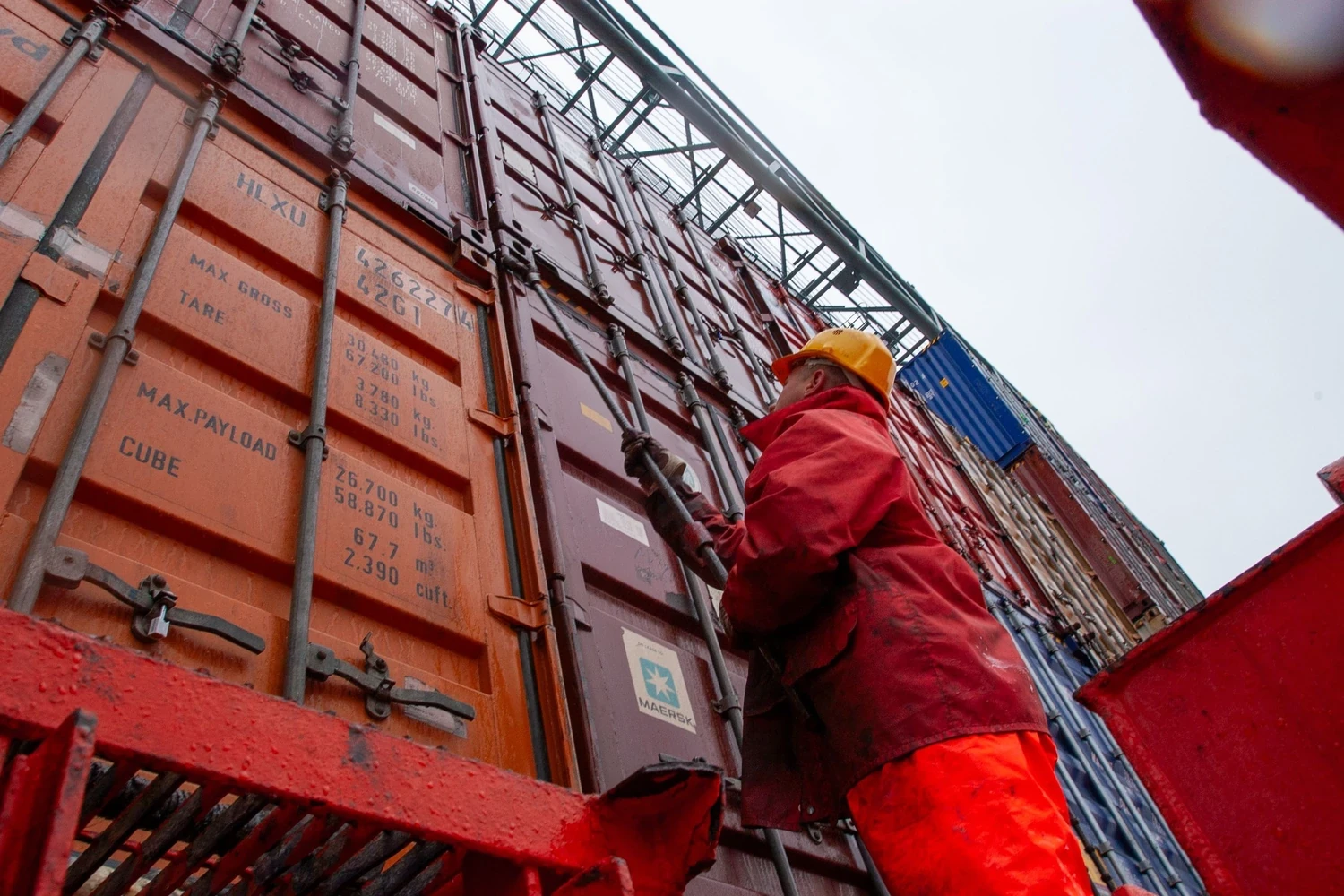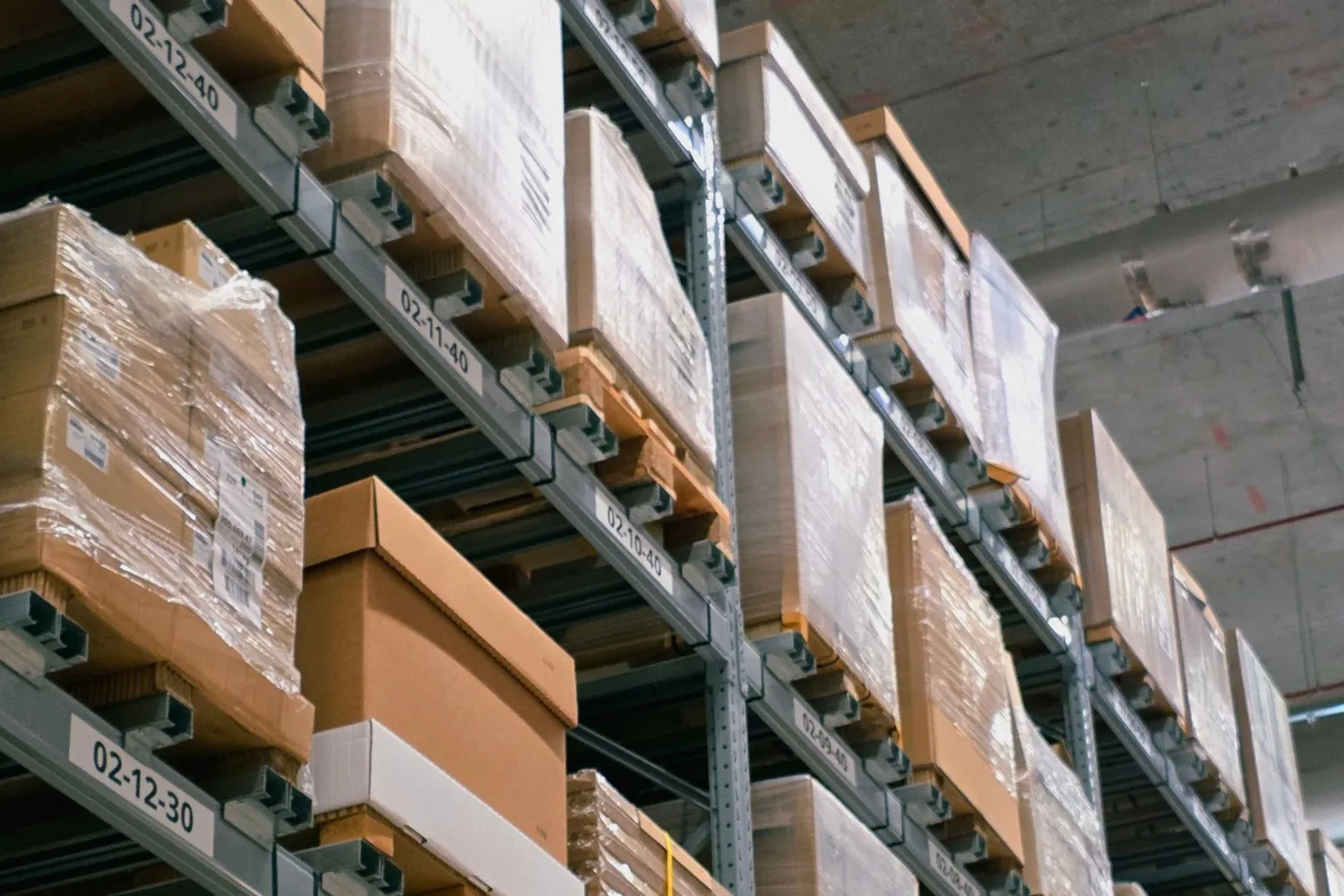
An importer bringing a container of goods into Hamburg immediately faces a decision, whether they realize it or not. If the goods are immediately cleared for free circulation, customs duty and import VAT are due immediately, regardless of whether a single unit has been sold. If they are instead placed in a customs warehouse, this tax debt is suspended until the goods actually leave the warehouse—for sale, processing, or export. For businesses managing inventory across multiple EU markets, this decision has an immediate and often significant impact on cash flow.
This guide explains what a customs warehouse is, how it works under EU law, and why a German port built much of its reputation on this capability.
What is a Customs Warehouse?
A customs warehouse, legally regulated as the customs warehousing procedure under the Union Customs Code, is a facility authorized by the national customs authority where non-Union goods (meaning goods that have not yet been cleared for free circulation) can be stored without being subject to import duties or import VAT. The goods remain under customs supervision, and the tax liability remains suspended as long as they are in the warehouse.
An importer bringing goods from a third country normally owes customs duty and import VAT the moment those goods are cleared for free circulation, regardless of how long they sit unsold in a warehouse afterward. The customs warehousing procedure breaks this link: customs duty and import VAT only become due when the goods are released for sale within the EU. If they are instead re-exported to a third-country market, the tax liability is fully waived.
Storing goods in a customs warehouse does not change the applicable tax rate, but only the timing of its application: if a customs tariff changes while the goods are in the customs warehouse, the rate in effect at the time of release for free circulation applies, not the rate applicable at the time of import.
How EU Customs Warehouses Work in Practice
When a shipment arrives at an EU port, instead of a regular import declaration, the importer submits a customs declaration to place the goods under the customs warehousing procedure. This moves the goods into the procedure without triggering customs duty or import VAT. The goods enter the facility and are recorded in stock records that the warehouse keeper must maintain and present to customs upon request.
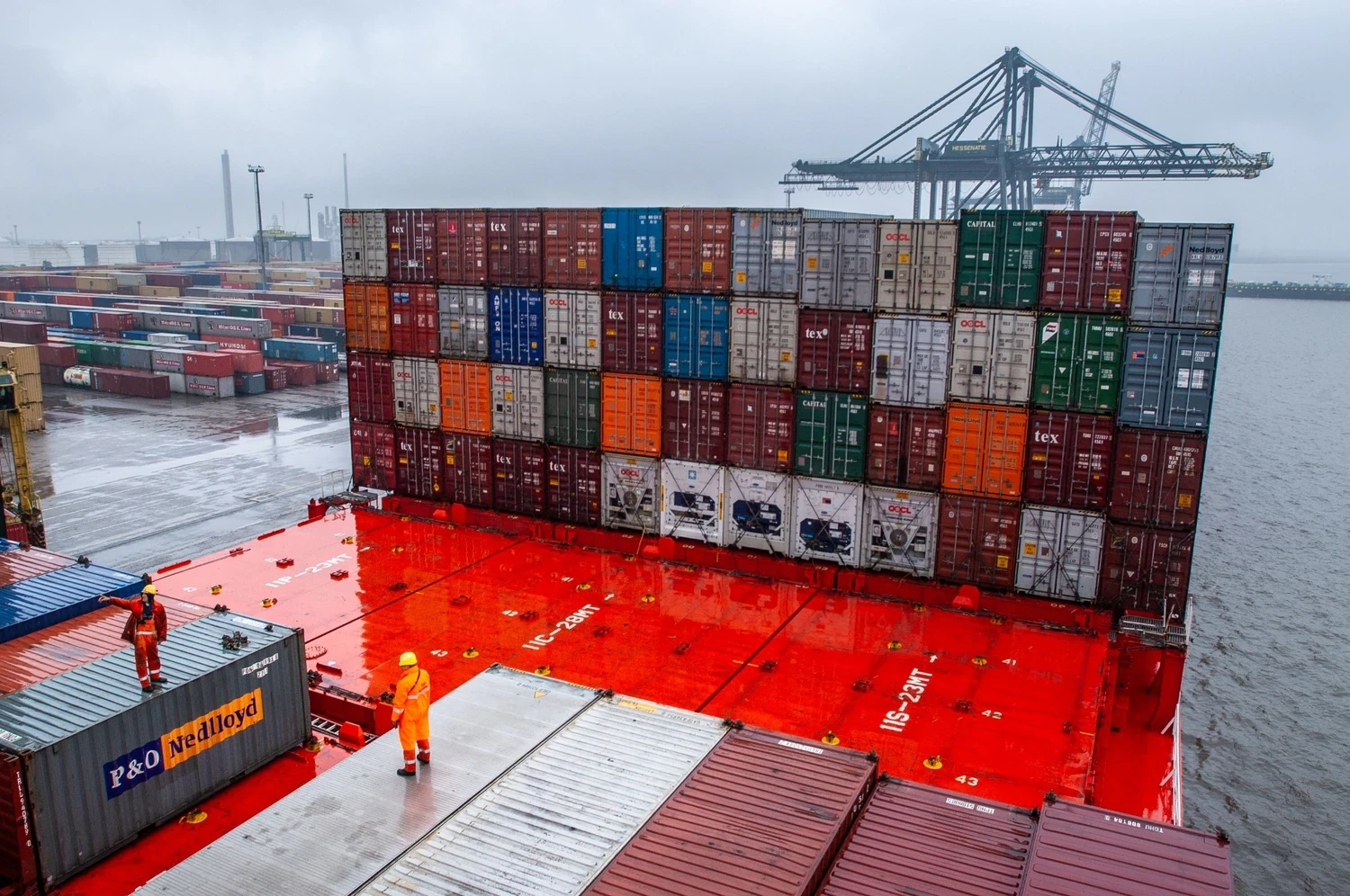
During storage, goods can generally undergo "usual forms of handling"—repacking, relabeling, sorting, sampling, as well as simple assembly or quality checks—without triggering a tax liability, provided their essential character does not change. This allows businesses to prepare their inventory for the market even before releasing it into free circulation.
EU law does not generally prescribe a maximum storage period, although member states can set limits for high-risk goods. Goods leave the customs warehousing procedure by being released for free circulation (upon payment of customs duty and import VAT), by being re-exported from the EU (which fully waives the tax liability), or by being transferred to another customs procedure such as inward processing. If goods in the customs warehouse cannot be accounted for, customs can assess duties on the missing quantity as if the goods had been released into free circulation. This means the warehouse keeper's inventory management directly affects the importer's financial risk.
Who Regulates Customs Warehouses in the EU?
The customs warehousing procedure is regulated in Articles 240 to 242 of the Union Customs Code. The regulations are harmonized across the EU, but authorization and supervision are carried out at the national level—in Germany, by German Customs (Zoll). A warehouse keeper must demonstrate adequate warehouse security, a functioning inventory management system, and financial solvency to cover the guarantee for the suspended taxes. Customs conducts ongoing audits; it is not a one-time approval.
EU law distinguishes three categories: the Type I public customs warehouse, where the warehouse keeper and the depositor share responsibility—the most common setup for logistics service providers; the Type II public customs warehouse, where the depositor alone bears responsibility even though a third party operates the facility; and the private customs warehouse, where the authorization holder and the depositor are the same. Companies from third countries without a registered office in the EU typically use an already authorized public customs warehouse, since a private customs warehouse requires an EU legal entity.
What Can Be Stored?
Virtually all non-Union goods can be placed under the customs warehousing procedure; in some cases, Union goods are stored alongside them. In practice, the procedure is heavily used for consumer electronics, apparel, machinery, as well as bulk goods like coffee and spices—a use case with a long tradition in Hamburg's historic Speicherstadt.
Excise goods (alcohol, tobacco, energy products) generally require a separate excise authorization. Goods requiring a permit, a phytosanitary certificate, or CE marking can indeed be brought into the customs warehouse, but the relevant requirements must be met at the latest during customs clearance for release into free circulation. Shorter storage limits apply to specific categories of goods. Retail sales directly from the customs warehouse to final consumers are generally not permitted; the goods must first be cleared for free circulation.
The Financial Benefits
The primary advantage is cash flow: customs duty and import VAT, which would otherwise have to be paid in full at import, are deferred until release into free circulation, sometimes for months. This frees up working capital, especially ahead of a sales season. The effect is multiplied for goods that are ultimately re-exported from the EU: in this case, the tax liability is fully waived rather than just deferred. This permanent saving is particularly valuable for companies using an EU location as a distribution hub for a wider region, including markets like Switzerland or the United Kingdom. There is also flexibility: goods can be repacked, relabeled, and inspected in the customs warehouse, allowing a company to release each partial quantity only when needed instead of tying up customs duty and import VAT upfront on the entire volume.
Customs warehousing is more expensive than standard warehousing because it covers the warehouse keeper's compliance costs. For high-value goods with noticeable tax rates, this premium is easily justified; for low-margin, low-tax goods with high inventory turnover, standard warehousing may be the more sensible choice.
Customs Warehouse vs. Standard Warehouse
Each serves a different purpose. A standard warehouse stores goods that have already been cleared for free circulation and for which customs duty and import VAT have already been paid, without customs supervision, without restrictions on direct sales to EU customers, and at lower costs because there is no compliance overhead. A customs warehouse stores non-Union goods under customs supervision with suspended taxes; it requires an authorized warehouse keeper and continuously maintained stock records, and direct retail sales to EU final consumers from the customs warehouse are not permitted. Storage costs are higher, but the deferral—or, in the case of re-export, the complete waiver—of customs duty and import VAT usually outweighs this for goods with a significant tax burden.
In practice, the decision depends on how high the tax burden is and what proportion of the volume is expected to be re-exported. Highly taxed goods or an as-yet-unclear distribution speak in favor of customs warehousing; low-tax, fast-moving goods entirely destined for EU sales are often better off in a standard warehouse.
Why Hamburg is a Premier Location for Customs Warehousing
Hamburg's relationship with customs warehousing is not new. The free port established in 1888 allowed goods to be stored, processed, and re-exported tax-free for over a century. From it emerged the Speicherstadt, still the largest contiguous warehouse complex in the world and now a UNESCO World Heritage site, originally built for duty-free coffee, tea, and spices. The free port status was abolished in 2013, but the infrastructure and expertise remained: Hamburg continued the same function under the regular EU customs procedure.

Hamburg is Germany's largest seaport, handling 8.3 million TEU in 2025, featuring deep-water terminals and a long-established customs infrastructure. A local customs bond pool, Zoll Pool Hafen Hamburg AG, allows even smaller operators to use customs warehousing capacity on terms comparable to those of large logistics groups. Furthermore, the port is connected via rail, road, and inland waterway to more than 450 million consumers in Central, Eastern, and Northern Europe. Goods released from the customs warehouse can thus reach a large portion of the EU population, as well as markets like Switzerland and the United Kingdom, without requiring a second port handling process.
In sum, the density of experienced warehouse keepers, the bonding infrastructure, and the hinterland network make Hamburg's operational maturity, and not just the legal possibility of customs warehousing, the deciding factor for importers weighing where to position their customs warehouse inventory.